Image source via Instagram
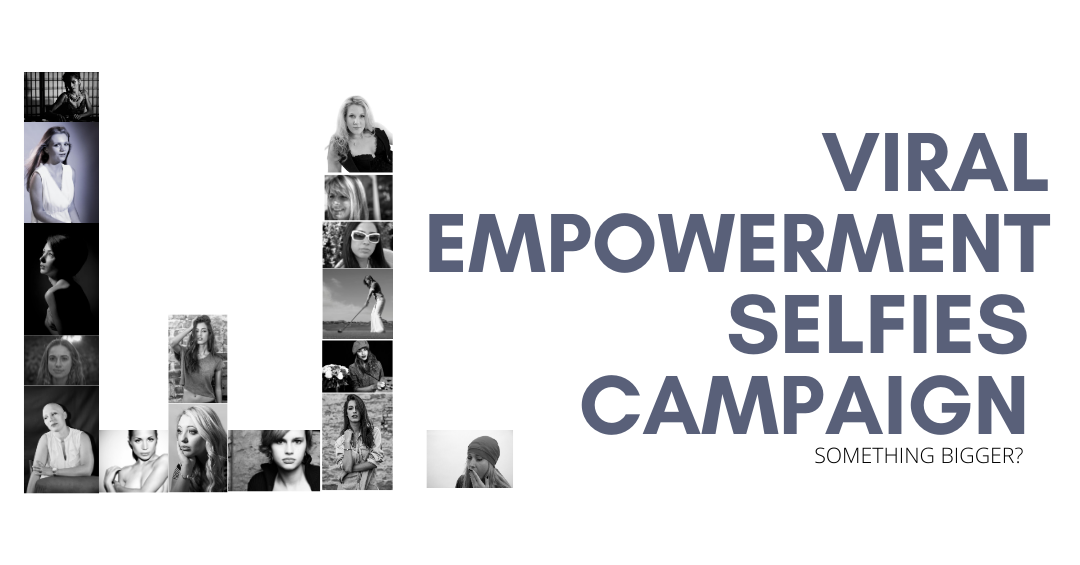
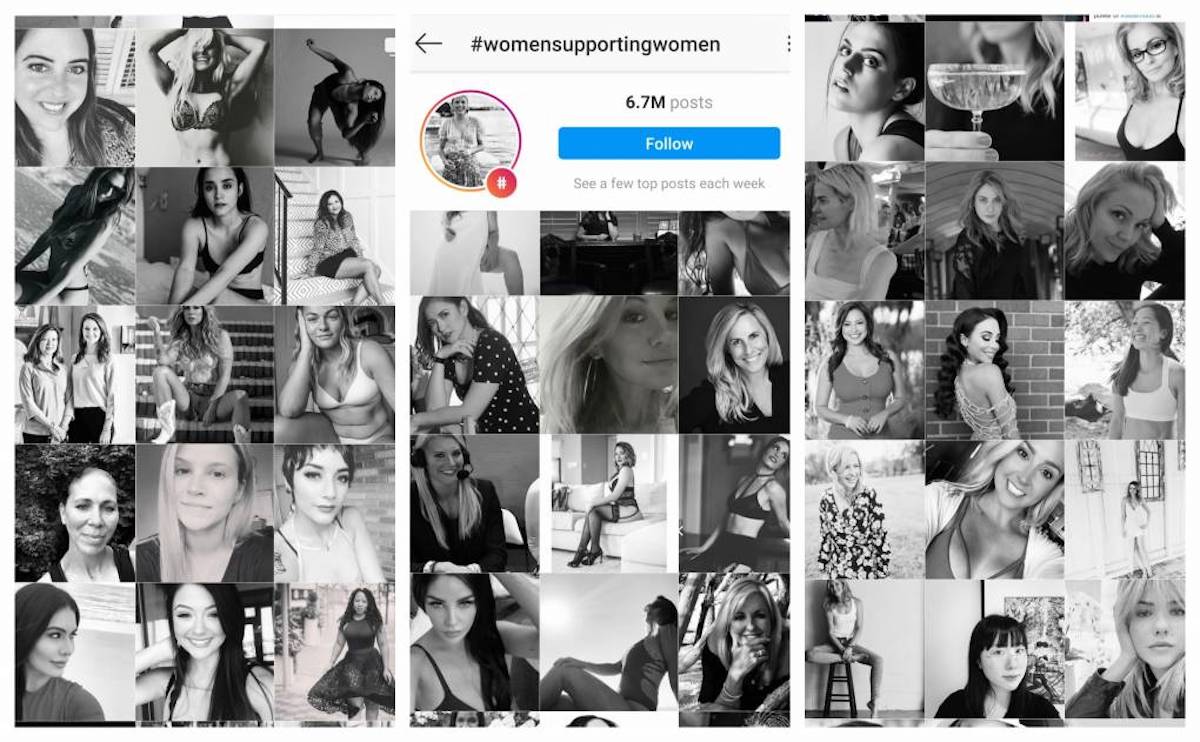
Black-and-white selfies of women accompanied by the words “Challenge accepted,” along with the hashtags #womenempowerment and #womensupportingwomen is being plastered all over Instagram for past few days.
The campaign in Turkey, according to New York Times reporter Tariro Mzezewa, is inspired by both the soaring rates of violence against women and the brutal murder of a 27-year-old student named Pinar Gültekin.
Protests in the country broke out after Gültekin’s ex-boyfriend led police to her strangled and partially burned body, stashed inside an oil drum, five days after her July 16 disappearance. The murder appears to have been the last straw in a nation where women feel increasingly endangered.
In 2019, 474 women were killed there—a 200% increase since 237 women were lost in 2013. It is also estimated that, so far in 2020 alone, 146 Turkish women have been murdered.
After seeing the diluted message that her “international friends” were posting online as part of the #womenempowerment hashtag, one Turkish Twitter user named @imaann_patel attempted to explain the sober origins and meanings of the original challenge:
just thought all of you posting these "black and white" challenges should see how tone deaf they actually are xx pic.twitter.com/WdQzQqMlza
— ايمأن ???????? (@imaann_patel) July 28, 2020
The Turkish hashtags about domestic violence and femicide were dropped as the challenge went viral. The images were for women to bond “but MORE importantly that we know that we can be the next trending image and hashtag.” - @zeycan_rochelle
— Tariro Mzezewa (@tariro) July 28, 2020
Those original hashtags—#kadınaşiddetehayır and #istanbulsözleşmesiyaşatır which translates to “Say no to violence against women” (kadına şiddete hayır) and “Enforce the Istanbul convention” (Istanbul sözleşmesi yaşatır). They have since been buried under the flood of #womenempowerment and #womensupportingwomen hashtags.
Another New York Times reporter, Taylor Lorenz, insisted that the #womenempowerment trend did not originate in Turkey, pointing out the fact that black-and-white photos accompanied by the hashtag #ChallengeAccepted have emerged on social media before.
“In 2016, [they] were meant to spread a message of ‘cancer awareness,’” she wrote. “Over the years the photo trend has also been used to ‘spread positivity.’” One of Lorenz’ interviewees went on to suggest this latest round was born from “Representative Alexandria Ocasio-Cortez speaking out against Representative Ted Yoho’s sexist remarks against her on the floor of Congress last week.”
Still, many in Turkey remain steadfast that this latest round of black-and-white selfies first gathered steam there.
Author Dr. Pragya Agarwal posted her own picture to Instagram, accompanied by the message:
This was started by Turkish women to say that they are appalled by the Turkish govt decision to withdraw from the Istanbul convention… This is not just performative, this is hopefully not just tokenistic, this is for PINAR GULTEKIN, a woman of color. Say her name!!
Just weeks ago, Black Lives Matter-related information sharing was impeded by a flood of well-meaning black squares that were hashtagged #BLM. This latest black-and-white trend will effectively prevent #womenempowerment and #womensupportingwomen from being used for anything other than black-and-white selfies for months.
Yes, there is certainly value in publicly expressing unity with other women. And yes, the #womenempowerment trend has undoubtedly been a bonding moment for thousands of women. But the vast majority of black-and-white posts currently flooding our Instagram feeds could just as easily have been tagged #feelingmyself, #selfcare or #selflove, and accompanied by an appropriately light-hearted phrase like “Pass it on.” Using serious tags for uninformative posts isn’t just misleading, it can act as a barrier to constructive work.
Source: KQED