During this COVID-19 pandaemic, we clearly see that it has change many business model and even the way they interact with their client with technology like Zoom meetings, webinar and online programs.
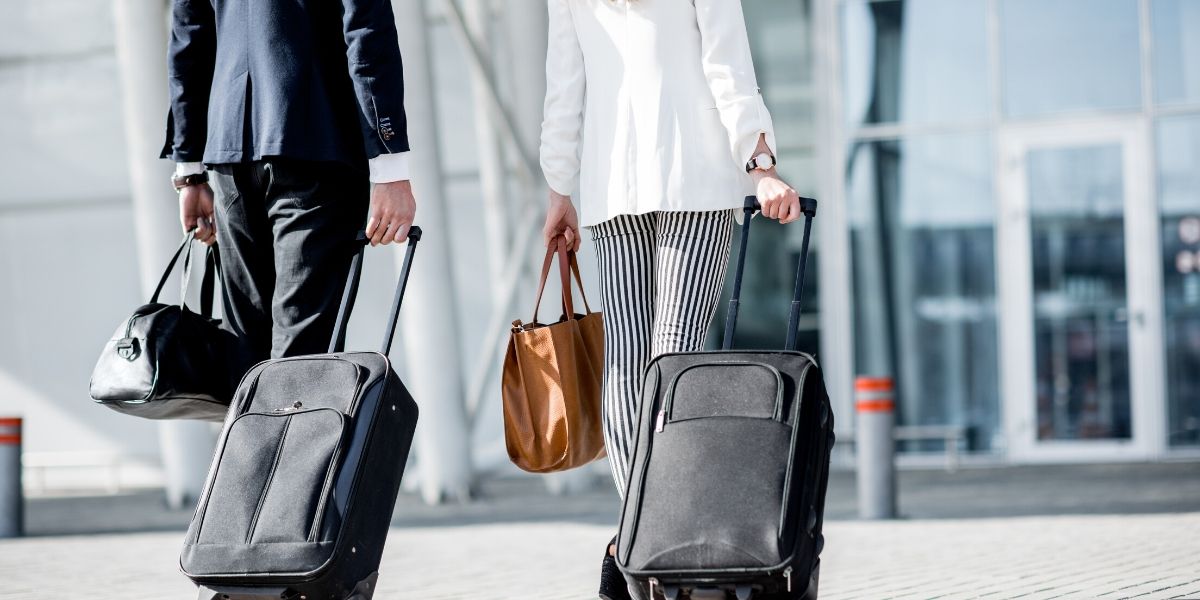
Is Business travel dead?
Many believed that once the crisis is over, business traveller will return. They needed the personal contacts and Zoom and webinar simply wasn't the same.
Now, some of the planes are flying again, but we do notice that the airports are largely empty and flights are often canceled due to lack of passengers - despite having fewer flights.
Many companies are still reluctant to allow their staff to travel, at least internationally. Malaysia, at least still requires 14 days of quarantine upon arrival for any international flights.
According to the poll by members of the Global Business Travel Association, 60% of their staff would restart domestic travels in the next three months, but only 24% would restart their international travel. 44% said they would not restart any international business trips for over the next six month or even sure of they would in the near future.
We can see how much this reflects the COVID-19 pandemic does to the world with many businesses turned to remote working, of which never do we imagine we are able to work from home.
We used to think that we can't remotely be effective with online training but I have recently completed one without any problem at all. The trainer was patient by addressing each participant their question and even do so by remotely controlling their desktop to teach them a hands-on module.
Even makeup giant like L'Oreal believes that the consumers will continue to use its online make-up try-on tools. "We achieved in eight weeks what it would otherwise have taken us three years," Lubomira Rochet, CEO of L'Oreal told FT. Martin Wolf has written that with worldwife physical supply chains in decline, we may see an increase in "virtual globalisation" as businesses internationalise their online activities.
But all in all, yes, business travel will still return in time but not in the next 3 months.
Source: Michael Skapinker, The Financial Times