
What comes to mind when we are talking about Japan? Is it the fresh sushis, the elegant temples, kimonos or perhaps the quirky fashion of Harajuku? Or is it the bullet trains or the scintillating live events?
It is hard to pin down precisely what it is about Japan that captures our imagination. Still, whatever it is, the impact on the number of visitors is impressive: The Japan National Tourism Organization (JNTO) reported an impressive growth of tourists to Japan: from about 8M in 2012 to more than 31M last year a quadrupling amount of overseas visitors!
What is it about Japan that makes visitors return in record numbers?
My argument is that rather than any one single thing that attracts the audience, what draw travellers are the stories of Japan. In his book "Winning the Story Wars" Jonah Sachs argued that memorable stories not only help break through the media noise of today's world but also build legions of eager champions.

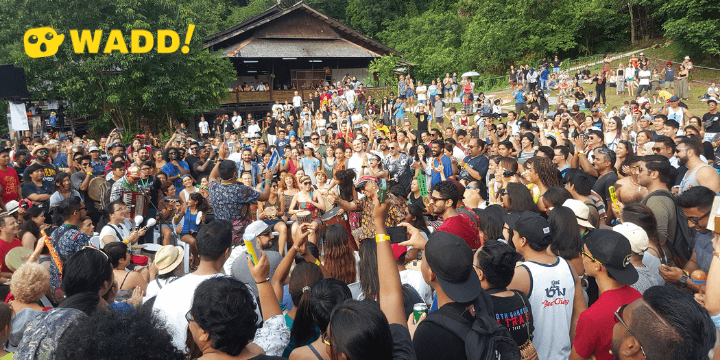
Animated and the lively scene in Japan Image source via Peatix
Take a more in-depth look at the fascinating elements in Japan, and you start to see a thematic thread that binds them together into a coherent story. The story of Japan is the dynamic blend of old and new, where their cultural elements are a living, breathing part of their everyday lives, not just performative material for tourists, but rather seamlessly amalgamated into modern living.
Good stories make for great retellings, much like beautiful vistas make for great Instagrams.
Visitors who are enthralled from visiting Japan returned over and over and even telling others about their experiences. In a McKinsey report, word of mouth is the number one source for Western tourists in deciding on a travel destination, and 83% of them would consider returning to Japan.

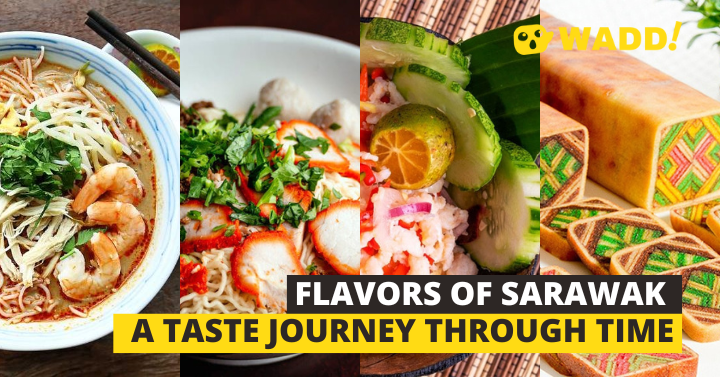
What about Sarawak? What is the story or stories of Sarawak?
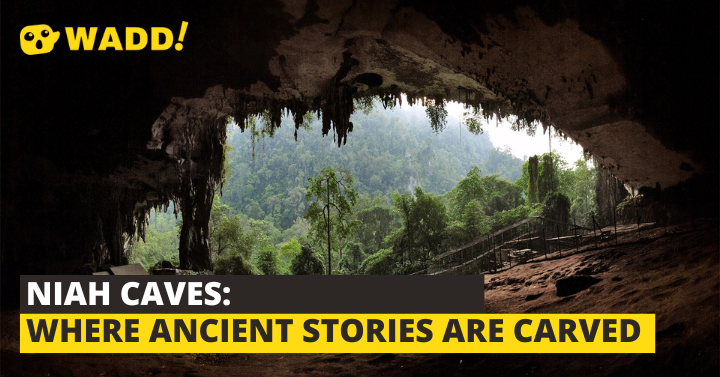
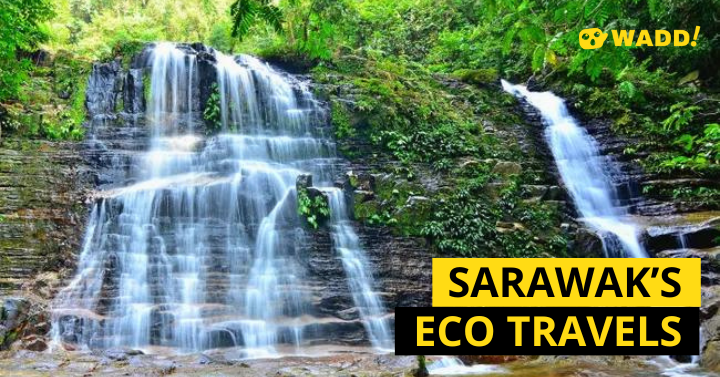
Sarawak Tourism Board's tagline is "Sarawak: Where Adventure Lives". That is undoubtedly a very enthralling aspect about Sarawak -- it conjures the ideas of the untouched wilderness, of great peaks to conquer and immense caves to explore.
But the story of Sarawak is multi-faceted and should be told by people who know its infinite forms.
Communities and business partners should collaborate hand in hand with government agencies to tell these stories -- stories that are rooted in authentic experiences and Sarawak's inclusive identity. In doing so, you reveal a snapshot of Sarawak to audiences abroad.
When thinking about the stories that stayed with me about Sarawak, my strongest memories revolve around stories of people of unparalleled hospitality and kindness.

Don't you love the smiles and innocence?
So presented with this opportunity to tell many stories, how would you approach this challenge? Here are some suggestions:
From Kuchingites who open their homes to me, to park rangers at Mulu National Park who went above and beyond to send my friend and me to the airport on a motorbike so that we did not miss our flights - they form the stories that I tell my friends after my trip. As clichéd as it sounds, the people of Sarawak, for me are the best stories.
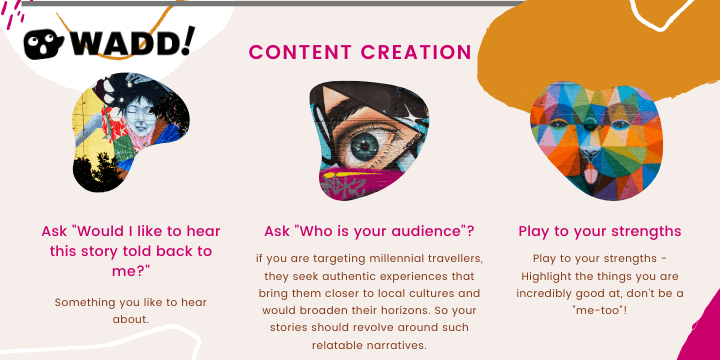
CONSIDER THE CONTENT OBJECTIVES
- These stories are built to evoke what Google calls the "dreaming phase" when travellers are looking for inspiration of where to go and what to do.
- Videos are a great way to inspire and elicit a yearning for these experiences. Going back to the Japan example, here's a video example that creates a narrative around cool, unusual events in Japan: bit.ly/eventsinjapan
- The content should also reach a broad set of relevant audience. According to Google, "in any given month, over 100 million of YouTube's unique visitors are travellers, 64% of people who watch travel-related videos do so when thinking about taking a trip"
Stakeholders in the tourism industry in Sarawak should create and curate these stories, and seed the stories across multiple platforms for widespread dissemination. This is how the ground up Sarawak's voice can be built up and heard more effectively and authentically over time.
SELECTING CONTENT CHANNELS
It is certainly a good idea to go where these travellers already are. In other words, ask where do people research and discover places and experience, and ask how you may add your content to these platforms:
- List your business or areas of interest on Google. With increasing location-aware smartphone totting travellers searching for "things to do near me". You want to be discovered at this crucial juncture in their search journey. Google revealed that search interest in queries related to "places to eat near me" has more than doubled in the last year."
- To tap into more niched explorers, you can also provide your content in more specialised platforms that focus on specific aspects of travel:
a. Backstreet Academy is a platform that connects local artisans to travellers who want to learn a local craft. You can opt for learning bamboo bow crafting at Laos over the "touristy" sightseeing travel experience.
b. Peatix is a platform where you can discover events by local indie communities; everything from the arts to the local food scene. - So, here is the good news for content creators who reach their audiences through experiences, research and reports have shown an increase in spending in experiences overspending on goods.
An Original WADD’s (previously Happenings in Sarawak) Publication / Article
Acknowledgement: YEAP MEI YI (Contributor)
Mei Yi is the General Manager, Asia for Peatix, a global event discovery and community ticketing platform that provides an endless possibility for the pursuit of enriching experiences. Before joining Peatix in 2015, she had a progressive career in Marketing, Business Planning, Channel Management/Program Management, Sales and Business Development in Singtel, a listed ICT company in Singapore. In Singtel, she was responsible for launching Shopify, a self-service e-commerce platform that went IPO in 2015 in Malaysia. She currently leads the sales and marketing team based in Singapore to drive the growth of Peatix in the APAC region (ex. Japan) to empower independent community and event organisers. With over 120,000 events as part of 30,000 interest groups across 27 countries since its inception in May 2011, Peatix reimagines the event experience for attendees through social interactions and event and group discovery in its mobile applications and website. Event organisers using Peatix include TEDx, Pecha Kucha, Slush Asia, YouTube FanFest and Malaysian Global Innovation and Creativity Centre (MaGIC). Peatix is a post-Series B startup with investors including DG Incubation, SPH Media Fund, Fidelity Growth Partners and 500 Startups.