A survey conducted by REDHILL shows Malaysian youth is anxious on the direction of Malaysia's government, especially on the recovery planning of the economy and social issues post-pandemic.
The survey snapshots views of the youth’s aspirations and concerns on governance, the economy, education, life choices and media consumption. The survey is spanned across over two thousand youths, eight ASEAN countries, aged eighteen to thirty-five years old.
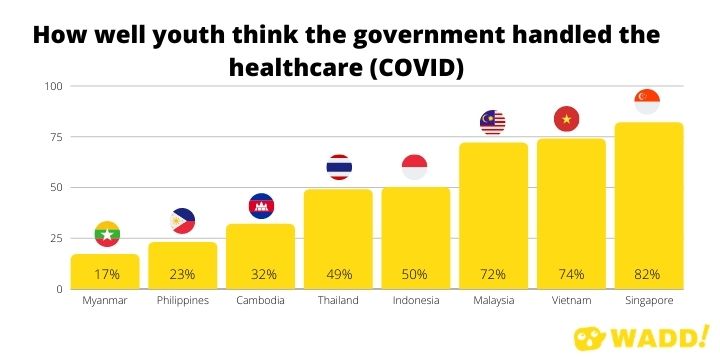 Image source via REDHILL
Most youths are relatively confident in their government's response to handling the COVID outbreak from healthcare perspectives. Malaysians, Vietnamese and Singaporeans' youth exhibit a high level of satisfaction in how their healthcare system response to the COVID situation. 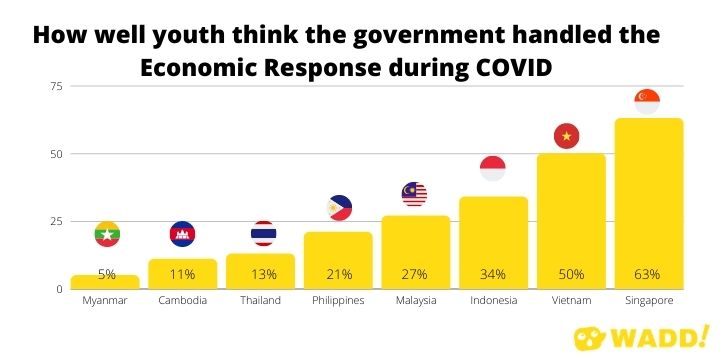 Image source via REDHILL
Six out of eight countries (75%) have little confidence and concern how their government responds to the economic downturn during the COVID-19 pandemic.
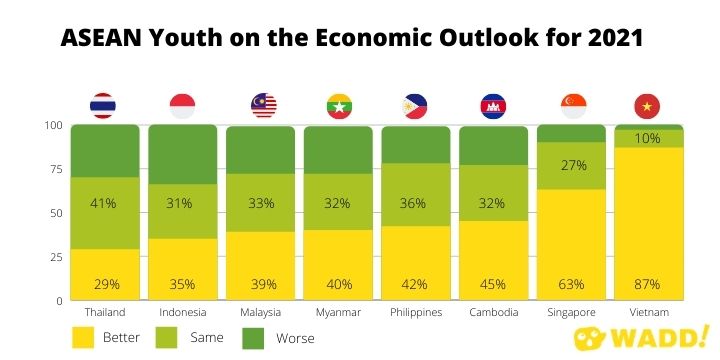 Image source via REDHILL
Although most of them show concerned with the current economic situation in their county, most are optimistic that the situation will recover in the following year. Malaysian youth predicted thirty-nine per cent (39%) will be better than it is while twenty-seven per cent (27%) predicted to be worse. Vietnamese youth are the most optimistic about their country's economy, with eighty-seven per cent (87%) believes that the economy will be better.
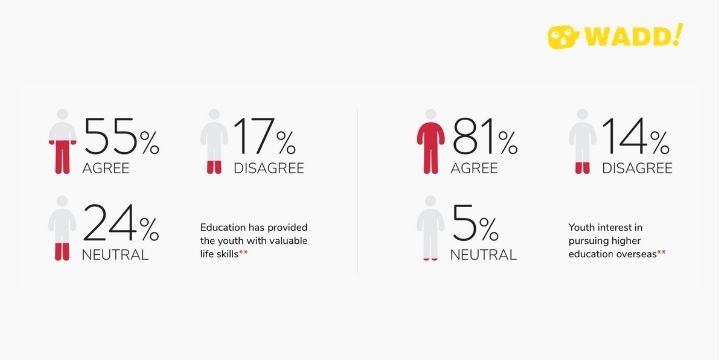 Image source via REDHILL
Only fifty-five per cent of the youth agree that their current education provides them with a valuable life lesson. Eighty per cent is interested in pursuing education overseas. More than fifty per cent of youth agrees that usage of technology should be integrated into education. According to REDHILL, nearly ninety per cent (90%) of Malaysian believed that their education system should be making greater use of technology.
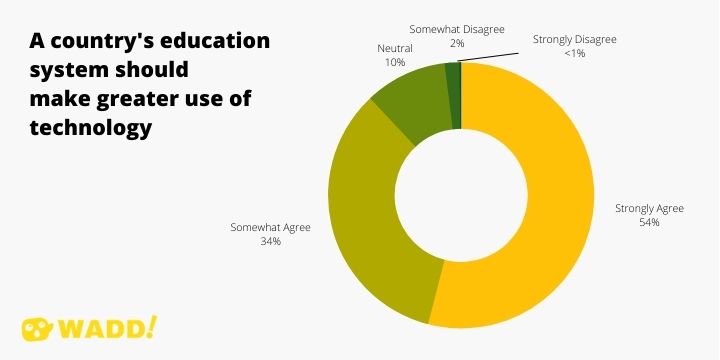 Image source via REDHILL
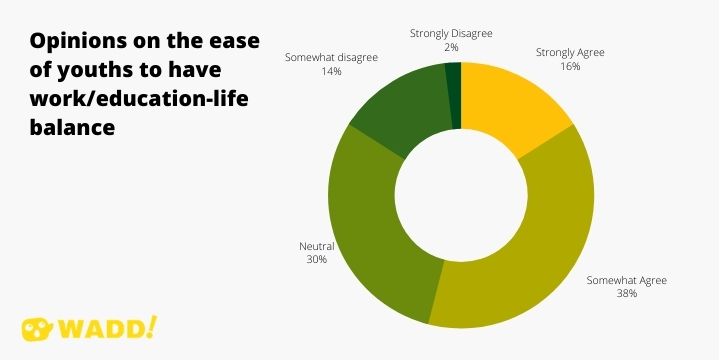
Image source via REDHILL
ASEAN youths are more concerned about maintaining their work-life balance and emphasising their general health, including mental health.
As COVID-19 has increased people’s reliance on technology and digital tools to communicate with each other, ASEAN leaders have made it a priority to combat the spread of fake news, especially when sharing information related to the pandemic. When asked about their ability to determine the accuracy of the news, twenty per cent of Malaysian respondents are confident that they could do so. In contrast, forty-four per cent believes they could do it to a lesser degree. In contrast, thirty per cent of all ASEAN respondents are confident that they can distinguish between real and fake news. Meanwhile, forty-three per cent believe that they can do so, albeit with less confidence.
This is the second edition of REDHILL’s ASEAN Youth Survey analyses Southeast Asia’s youth's roles as key drivers of economic, cultural, social and political change.
To learn more about the top highlights from REDHILL’s ASEAN Youth Survey 2020 edition, please visit www.aseanyouthsurvey.com.
To learn about East Malaysia and how the pandemic has affected the workforce here.