

Bha (Bhavam) = Expression Ra (Ragam) = Music Ta (Thalam) = Rhythm Natyam = Dance
Bharata Natyam is a classic Indian dance that originates from the Temples of Tamil Nadu. It used to be practised by the temple dancers (devadasis) as an essential part of their temple worshipping religious practice. A devadasi would placate their own souls as they danced unwatched and offered themselves to their Gods.
The dance itself portrays traditions drawn from chronicled Indian history, folklore and many split characters. As it is customarily a solo dance, the dancer takes on numerous characters by switching roles through swift turn in circles and creates storylines that can be easily followed by the feat of an individual. Through the demonstrative hand gestures, foot patterns and an astounding range of facial countenances all in harmony with the voiced rhythmic syllables, the characters become implicit and treasured tales are brought to life. No other dance styles allot with as many elusive characters. The rich profusion of spiritual symbolisms and artistic expressions is really distinctive to Bharata Natyam, a dance known for its grace, purity, tenderness and sculpturesque stances.
The art form deteriorated during the medieval time when the dance became a form of entertainment for royalties rather than its original purpose for worship. The dance tumbled into disregard and was considered a low and vulgar art. It was in the first twentieth century that a freedom battler and art connoisseur, E. Krishna Iyer, hold onto the grounds of Bharata Natyam. An additional name allied with the rejuvenation of that similar cause is Rukmini Devi Arundale, one of the most influential dancers and choreographer in India. Rukmini Devi espoused the dance by modifying mainly the Pandanallur style (one of the most popular approaches of Bharata Natyam). She introduced group performances and staged various Bharata Natyam based ballets, bringing it to the attention of the West.
Presently, these dance recitals are no longer confined inside the temple shrine but it is performed at various festivals with a live ensemble. Bharata Natyam has been exposed largely through depiction in popular movies and TV programs in either adaption or “semi-classical” forms. The dance has developed progressively to incorporate numerous countenances and melody over time. As an important feature of Tamil culture, Bharata Natyam is quite popular in Malaysia. There are many places in which one can learn the dance. One of the prominent academies that provide training in traditional Indian dance and music is The Temple of Fine Arts in Brickfields, Kuala Lumpur.
Bharata Natyam has broken its rigid forms of religious boundaries and is now practised and learnt not only by Hindus but also by various other races. Datuk Ramli Ibrahim and Mavin Khoo are two non-Indian Malaysians who are world-renowned Indian classical dance performers. Datuk Ramli Ibrahim heads the Sutra Dance Theatre as the artistic director and principal choreographer. He has conceived much stunning work with his signature styles never failing to exhibit our national identity. Similarly, with the ancient Indian dance tradition, he created Malaysia’s own distinctive interpretation. Aside from performing in world-respected dance centres and highly acclaimed stages, Datuk Ramli has also nurtured some of the brightest dance talents from Malaysia, notably Mavin Khoo who studied Odissi and Bharatanatyam under him. Mavin Khoo stands today as an international Bharata Natyam leading male solo performer dancing in India and throughout the world.
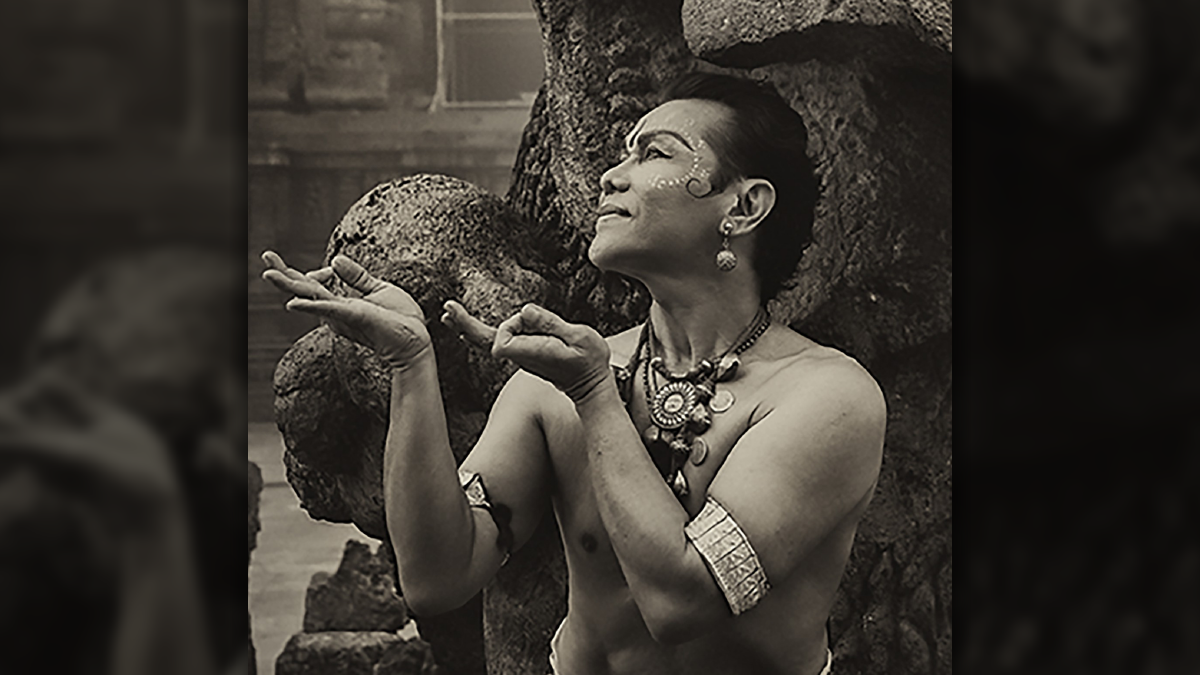
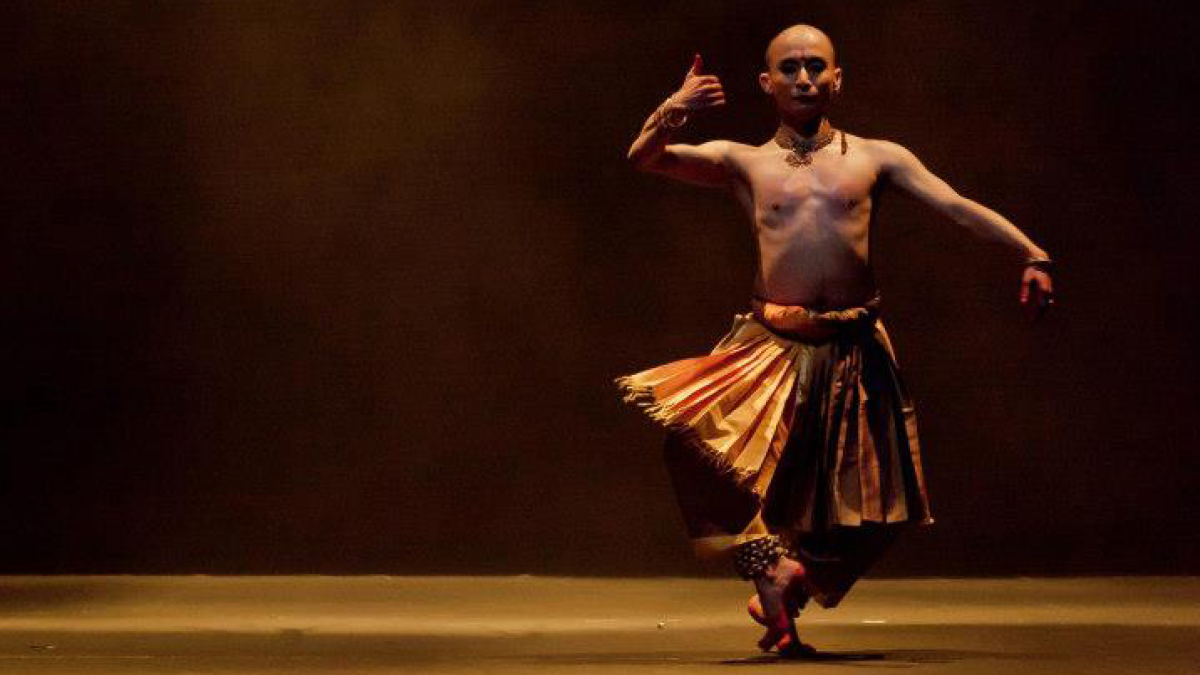
This gorgeous art embodies the essence of multiculturalism and multi-ethnicity in Malaysia today. It is not just a dance passively observed and it does not belong to a specific race but for anyone who is willing to appreciate it, learn it, and embrace it, the dance becomes part of the fabric of our multicultural society. Here is a refined dance form expressing grace, melody and rhythms that prevail in harmony.
References: