The Winter Solstice, dongzhi in Mandarin, is the day with the shortest period of daylight, either December 21 or 22 of the year.
Winter Solstice (冬至) is commonly regarded as one of the most important Chinese festivals. The dongzhi festival has been celebrated for over 2,000 years and is usually a time for family gatherings and eating tangyuan. Tangyuan is rice glutinous rice balls that symbolise reunion and prosperity.
#FunFact: Do you know that while the solstice is only one day, the dongzhi festival lasts 15 days.
The origins of this festival can be traced back to the ancient Chinese concept of the yin and yang philosophy of balance and harmony.
In Chinese culture, there is a belief that there is insufficient yang energy when the days are short. That is why during the Winter solstice, the Chinese consume more yang (warm) in nature to counteract the yin (cold) of the winter, such as tangyuan. During the Winter Solstice, other popular dishes to consume include mutton hotpot, eight-treasure porridge, and dumplings.
#FunFact: There's a saying in Chinese tradition that says Winter Solstice is more important than the Lunar New Year.
When Did The Chinese Started Celebrating the Dongzhi Festival?
It's unclear on a particular date, but during the Zhou period (c.11th century-256BC), the Chinese were already observing the Winter Solstice as a state holiday.
A passage on social and religious institutions in Rites of Zhou instructs state officials to "convene the deities in the heavens and the spirits of the dead on the day of the winter solstice" to offer them sacrifices.
Though prominently celebrated during the Han Dynasty, the festival truly prospered during the Tang (618 – 907 AD) and Song Dynasty (960 – 1279 AD). Officials were granted 7-day holidays, and the common people would reunite with family members at home as they worshipped the gods and their ancestors and paid respects to their ancestors.
Dongzhi Festival And Celebrations According To Geography
The ways of celebrating differ across time and geography, but they always involve a religious element, such as prayers and offerings to either deities or one's ancestors and gathering family members for a special meal.
Northern China: Dumplings (饺子)
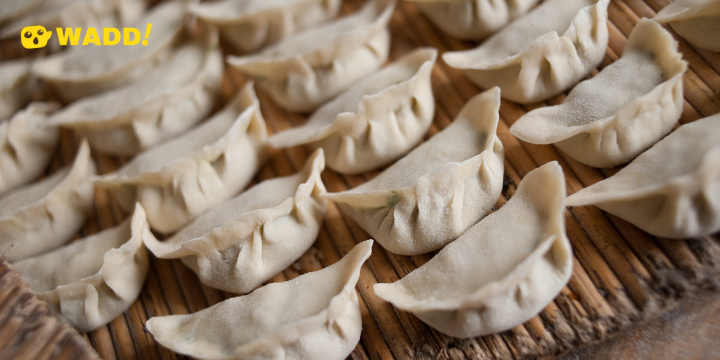
During the Winter Solstice in Northern China, dumplings are the most common food consume. The fatty dumplings contain meat and "warming" herbs (yang) such as ginger and garlic.
It is said that these dumplings help to keep illnesses and diseases away; hence, people today continue the tradition of making and eating dumplings during the Winter Solstice.
For the people in Suzhou, wontons are the official food to celebrate the Winter Solstice.
Southern China: Glutinous Rice Ball, Tangyuan(汤圆)
Tangyuans are small balls of glutinous rice flour filled with either red bean for a sweet touch or meat with high herbs (yang), served in a bowl of either sweet soup or broth. Tangyuan symbolises family harmony and prosperity.
#FunFact: Tangyuan coincidentally sounds similar to Tuanyuan (团圆) which means reunion.
Taiwan: Glutinous Rice Ball, Tangyuan(汤圆) and Nine-Layered Cake
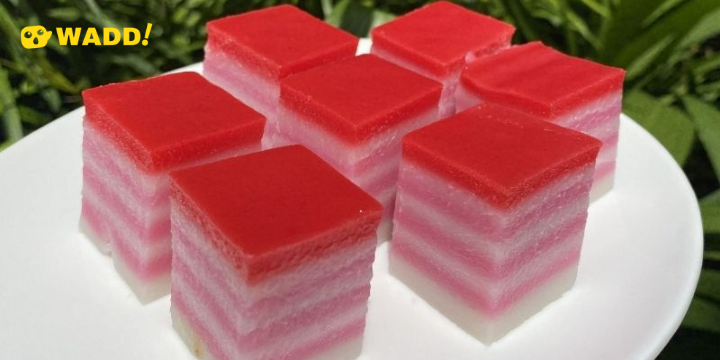
Nine-Layered Steam Rice Cake. Image source via mandarinmatrix
Similar to Southern China, Taiwanese eat tangyuan during the Winter Solstice. They also visit their ancestral tomb during this day and offer them a special nine-layered cake made out of glutinous rice flour.
Malaysia and Singapore: Glutinous Rice Ball, Tangyuan(汤圆)
Chinese people in Singapore and Malaysia, whose ancestors mainly originated from the southern provinces of Fujian and Guangdong, also enjoy tangyuan as a dessert in a light syrup.