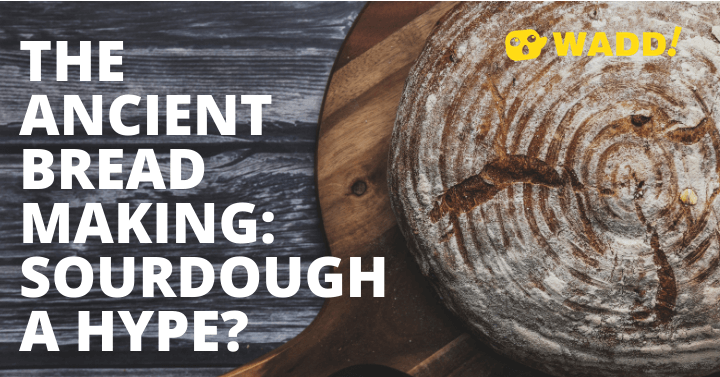
During this COVID 19 pandemic, you would see a lot of people trying to make homemade sourdough bread. In my social media feed alone, I have more than ten friends posting the achievement of their artisan sourdough bread. You also can find a lot of home seller selling a variety of sourdough bread for more than RM25 a loaf! That's very expensive for a loaf of bread.
Ok, first thing first, for those that are NOT in on board with the hype.
WHAT IS SOURDOUGH BREAD?
Sourdough bread is the oldest yeasted bread dated back to as early as ancient Egyptian times. For a start, consists of only readable ingredients which are just flour, water, salt, and naturally occurring live, or wild yeast. Of course, some fancier ones like walnut and fig sourdough bread, sweet potato sourdough bread, jalapeno and cheese sourdough, the list seems endless.
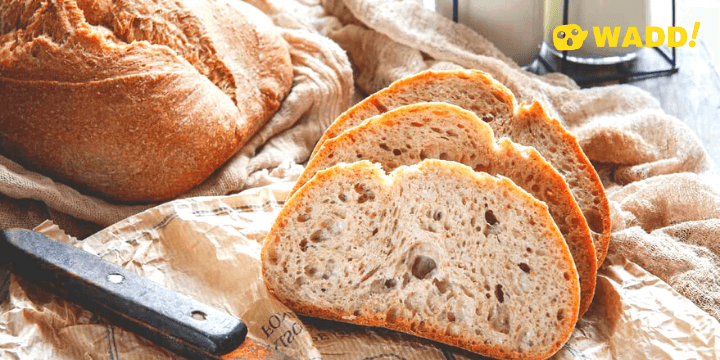
Sourdough bread
SO, WHY IS IT GOOD?
#1 Lower Glycemic Index (GI)
Ok, I know it's not everyone is "health" freak and understand what it means. It merely means how fast your food digest in your body. The lower the GI is, the longer it digests the carbohydrates, absorbed and metabolised it. Hence, causing a slower rise in your blood sugar, making your feel fuller longer — a big yes to a person with diabetes.
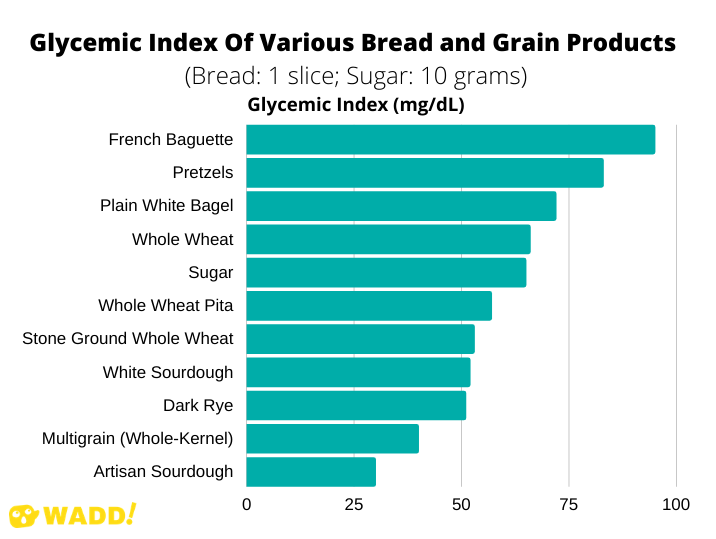
Glycemic Index of Various Bread And Grain Products Image source via pathways4health.org
This is due to the resistant starch in sourdough bread. Sourdough bread contains at least double the amount of resistant starch found in ordinary whole wheat bread. Resistant starch is a complex molecule that resists being digested! This means it takes longer for your body to break it down, keeping your blood sugar more stable over a longer period. Hence, this is why the sourdough bread has a lower Gl.
#2 More Nutritional Value
The real sourdough bread takes almost triple or longer time to ferment (anywhere from 6 to 48 hours!) comparing to commercial bread (1-2 hours). During the fermentation, the sugar and gluten from the dough break down and consumed by the natural yeasts. Because of the longer fermentation time, the sugar and starches have enough time to break down and be consumed. Again, due to the longer fermentation, part of the wheat grain also break down, that part is called phytic acid. Some initial studies in Italy have demonstrated that fermenting dough over 48 hours can significantly break down the gluten and phytic acid.
So, what is phytic acid? Phytic acid is a nutrient blocker that prevents absorption of calcium, copper, zinc, iron and magnesium. The phytic acid is found naturally in grains, legumes and nuts.
So, the saying "bread is not good for you because it's just empty calories", it is true.
Although conventional bread contains nutrients in the wheat, the absorption rate of these nutrients is low. We can't access much due to the high phytic acid present in the bread. Bear in mind; whole-grain flour is naturally rich in B vitamins, vitamin E and a range of minerals and antioxidants. But with the elimination of phytic acid, it unlocked all the nutrients and made them available for our bodies.
Wait that is not the end! The natural yeast increases the nutritional value in the wheat, similarly to other fermented food like kimchi and sauerkraut.
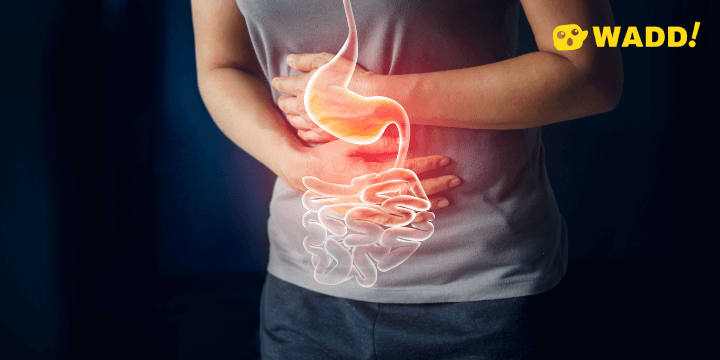
#3 Good For Your Guts
It's like yoghurt for your gut. These natural yeast is bursting with millions of bacterias which is excellent for your gut! The presence of prebiotics in sourdough made it easier to digest than many other breads. The lactic acid bacteria produced during fermentation has shown to contain antioxidant benefits, safeguarding your body against illness.
#4 Easier To Digest
As mentioned earlier, sourdough bread uses natural yeast and wild bacteria to ferment the dough. This natural yeast and bacteria pre-digest the gluten (due to long fermentation); hence, our bodies do not need a lot to break down the wheat (pointer #2) to access the nutrients.
The fermentation helps to break gluten strands into peptides and amino acids which makes it easier to digest compared to other bread. Sourdough bread is an excellent option for individuals with gluten sensitivity as well as those that feel bloated after consuming bread.
Naturally to say that definitely, sourdough bread has more benefit than a loaf of conventional quick bread. It's a long a painful wait for a loaf of bread hence the price tag for it.
Apart from that, remember to eat a smaller portion for easier digestion.

Read more on how you can avoid belly bloat.