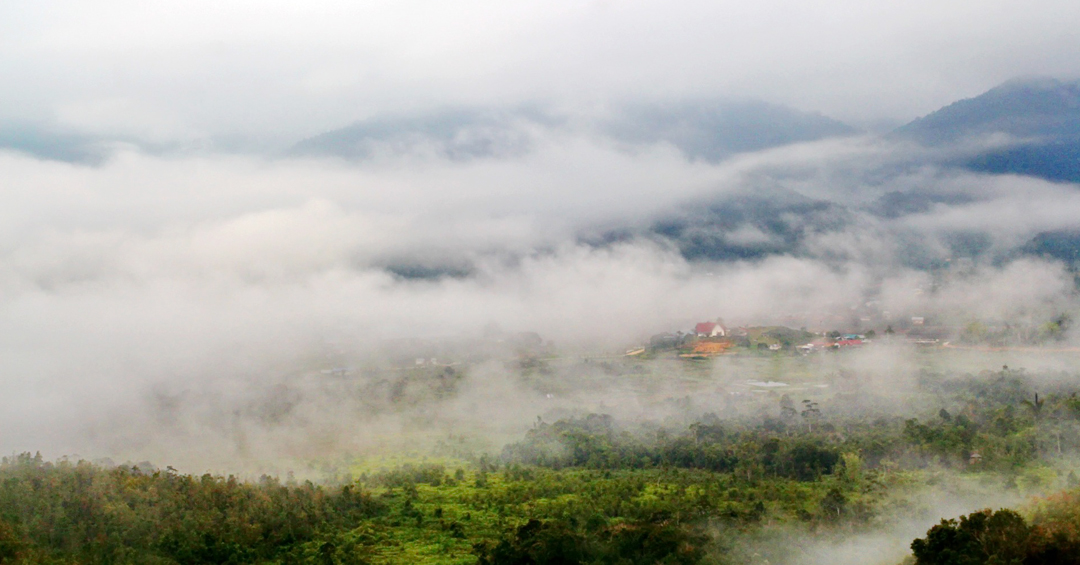
Barely half an hour into the flight, a thick cushion of cloud envelopes the little plane and you begin to feel like you are floating on a magic carpet. Strangely, there is little turbulence on this particular trip. The gentle rocking of the plane puts you in a dreamy trance. It is a comfortable feeling, almost womb-like.
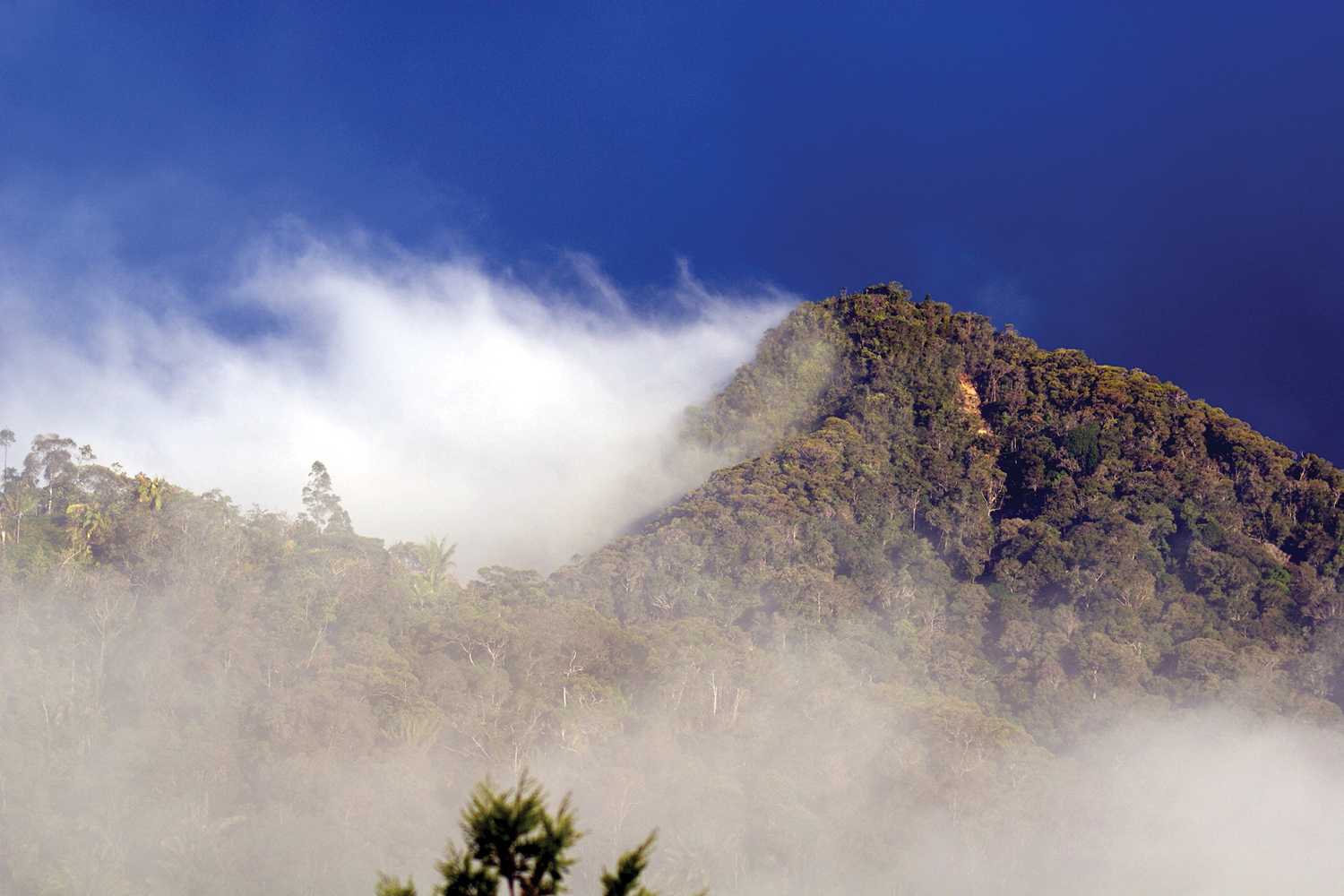
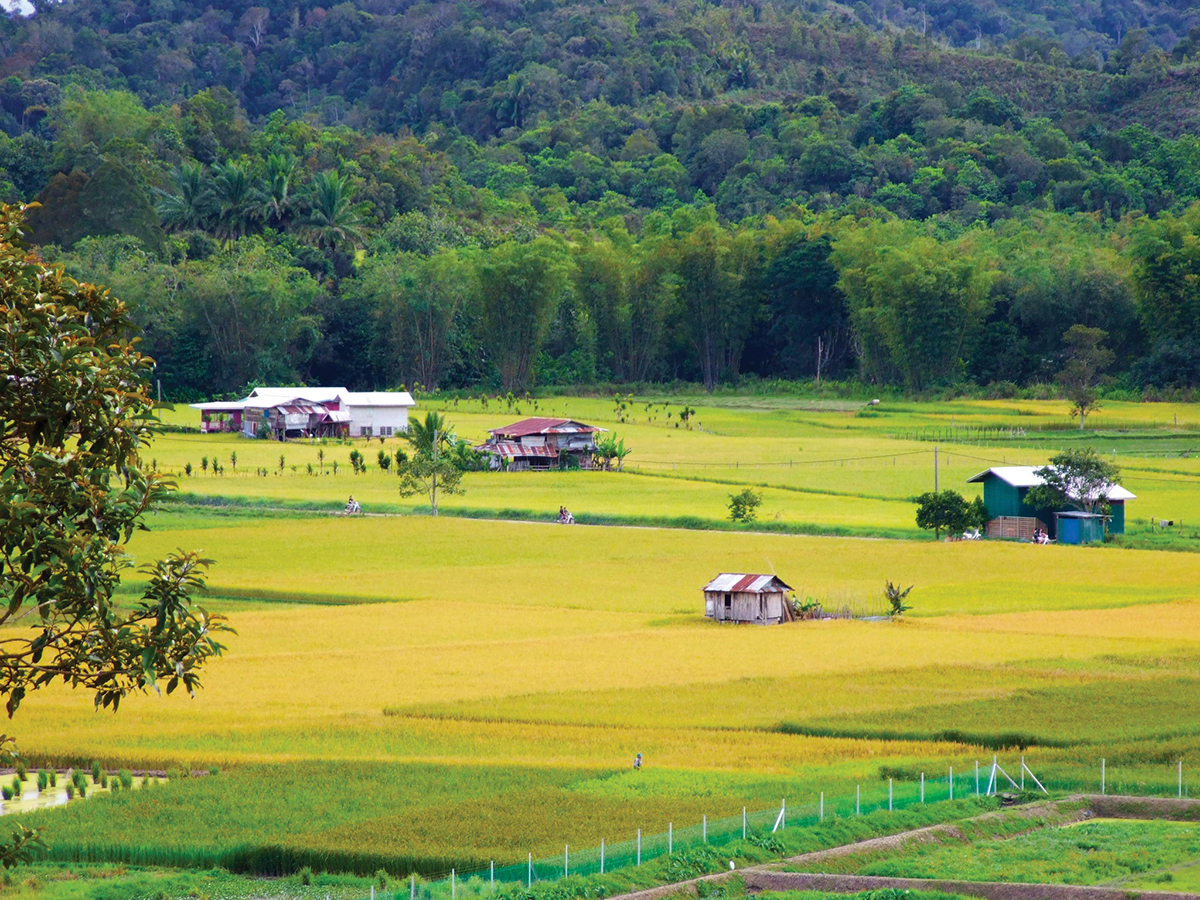
This place is surrounded by mountains and hills as far as the eye can see. It looks like a secret land protected by a circle of giants and the moment you lay eyes on it, you feel the magic. You have arrived in Bario, a flatland 1,000 feet above sea level, the heartland of the Kelabit people and the last frontier of wilderness in a Sarawak.
BAR-Where ?
Bario - Kelabit villages sitting in the midst of Sarawak’s highest mountain ranges. Nearby, Mount Murud reigns like a lofty monarch overseeing its subjects from 8,000 feet above sea level, the highest peak in Sarawak. And to the south, the Tama Abu Range inside Pulong Tau National Park awaits the adventurer to traverse its backbone, a journey of four to seven days by foot depending on your level of fitness.
It is said the most fertile soil in Sarawak can be found nowhere else but in Bario. The highland air and temperatures are the most un-tropical you can find in tropical Borneo - approaching a temperate summer all year round (20 degree Celsius).
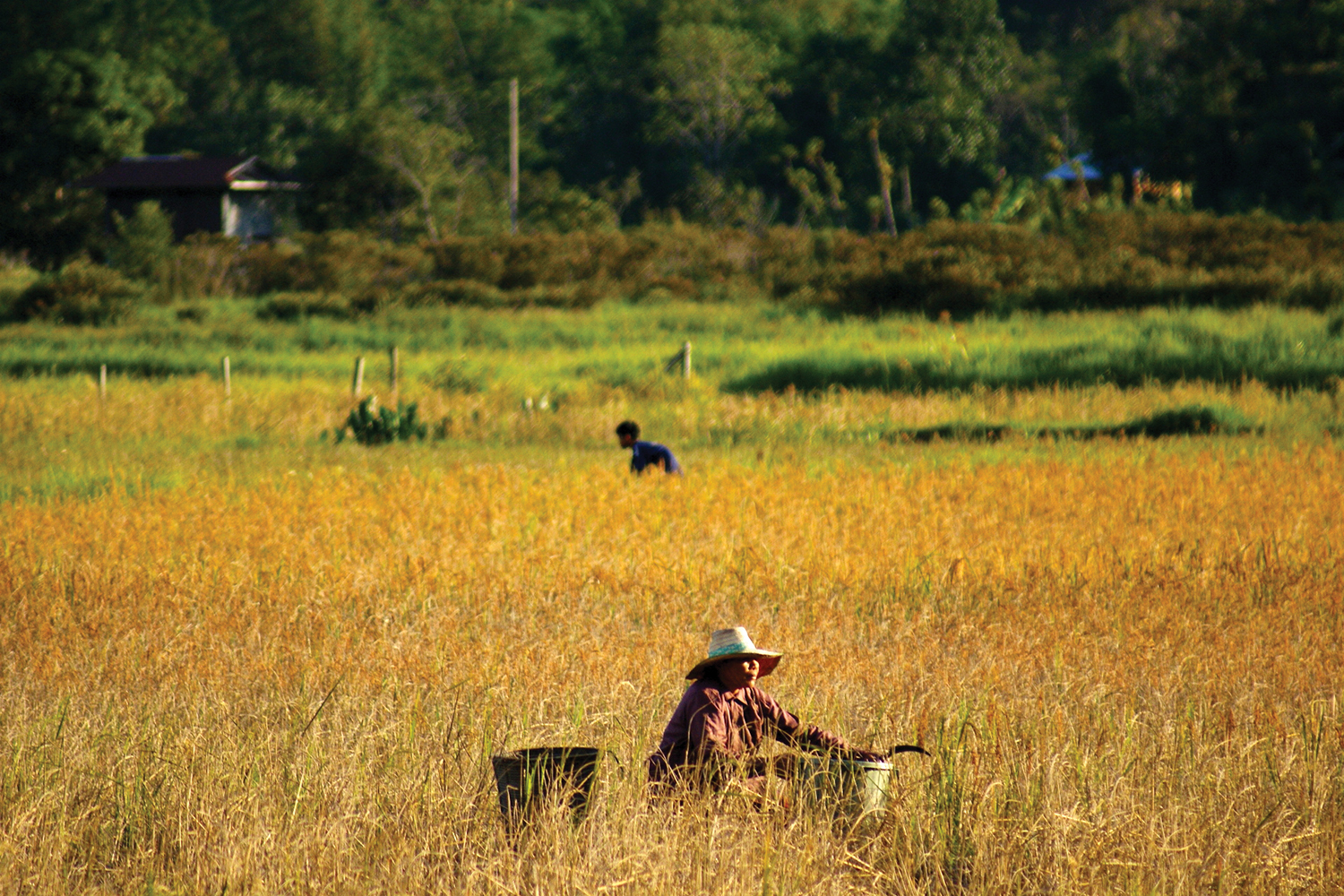
Apart from the fantastic cool weather, Bario has long been well known for: the awesome nature treks to be had, beautiful Kelabit people and their culture, the famed Bario rice and organic Bario salt. All four are intertwined and are part and parcel of the Bario experience.
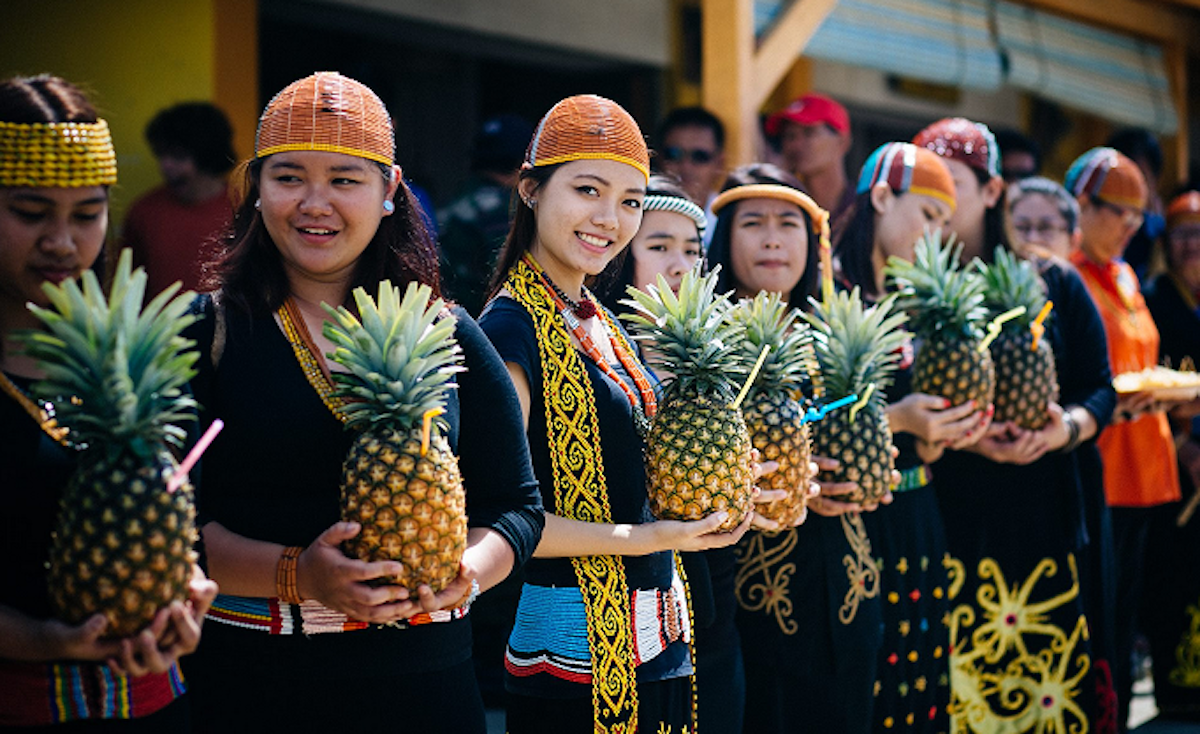
Image source via Frigglive
The Kelabit People Is All About The Hospitality And Smiles
A hundred years ago, the Kelabit were a race of head-hunters, not as a means to wage war, but more as a rite of passage; a badge of bravery and valour. They have since turned to a more peaceful way of life, embracing a strong faith and concentrating their energy elsewhere.
They are kind and hospitable people, determined and proud of their identity and land. Today, they are one
of the smallest ethnic groups in Sarawak, numbering an estimated 5,000 to 6,000 people; and are one of the most educated peoples in the land. Their courage and personal pride have seen them strive for academic and professional excellence. Many are doctors, lawyers, high-ranking statesmen; and work in the metropolises of the country.
Those that remain in Bario are either from the older generation with adult children pursuing successful careers, or have chosen to stay behind to farm the land, or are young children attending school there before moving on to the city. There are also Penan villages around Bario and the two groups co-exist in peace and friendship.
Wherever they are, the Kelabit have always proven their friendliness and hospitality to visitors of their home. With the Bario highlands becoming less and less of a secret, many young Kelabits have ventured into tourism and homestays in Bario.
Trekking The Highlands Of Old Borneo With The Kelabit
When British paratroopers landed in Sarawak to fight the Japanese during WWII, they dropped on to a strange flat area beyond a sea of mountains and thick forest. There they found a hospitable people of brave warriors and fair maidens who helped them win the war. For it is said that in Sarawak, the war was won on barefoot in the jungles of the Highlands. The story goes that the British soldiers took a leaf from the Kelabit warrior’s book and crept soundlessly through the thick forest in their bare feet, falling upon the enemy suddenly and without prior warning.
Today, that same forest welcomes the traveller who is into some serious jungle bush-whacking. There are at least six trails there for an easy day romp around the area. Throw your bags at your homestay or bed and breakfast of choice, grab a coffee at the local home-style café round the corner and get ready to go. If it is your first time in Bario, it is always advisable to get a local guide. Your friendly homestay family or bed and breakfast owner will be able to point you to a good guide.
If you are into more hardcore trekking, there are various overnight treks available. Make sure you get a guide who can organise porters and back-up logistics. There are many guides in Bario, all of whom know their jungle craft brilliantly. Guides and porters are paid on a daily basis. Make sure you agree on a standard rate of pay for them. Guides and porters are paid at different rates (guides are more expensive than porters). Do not be surprised if they are shy to mention money. This is an uncomfortable subject for them to broach. Take the lead on this and watch their face lit up like children when they get their dues for a job well done.
Easy Day Trails, Salt Processing And Day Tripping Fun
If hanging about the vicinity of greater Bario is what you are after, then consider walking around serene paddy fields, visiting traditional Kelabit longhouses or just popping by a friendly farmhouse to say hello. This can be had in the Bario village tour. Go for a walk by yourself or bring a guide along. It is a common custom for people to invite you in and sample locally grown fruit, the best of organic farming in Sarawak, or have a taste of the famed Bario rice, the elite of all rice varieties in the State. Immerse yourself in the culture.
Bario salt is the epitome of the bounty of nature in Sarawak. Collected from natural springs and produced in leaf- packed tubes, Bario salt is 100% organic, choke-filled with natural minerals, raw and unprocessed goodness for culinary preparation. If you have not already tried food cooked with Bario salt, now is the time to try and taste the difference.
Ever wondered how endemic salt is produced? Two hours of walking on an easy flat trail will take you to Pa’Umor, home of salt processing in Bario. See the springs where the salt is derived and sit at the kilns to watch them being dried.
Feeling more like a walk to see pitcher plants, wild orchids, waterfalls, farm buffalo or tropical kerangas and dipterocarp forests instead? Any of these trails will have you enjoying all of that from one to four hours: Pa’Umor Batu Narit Trail, Pa’Ramapoh-Ruab-Pa’Ramapoh Waterfall Trail, Arur Dalan Trail, Pa’Derung-Batu Nangan Trail. There are many more other day adventures to sniff out in Bario. These are just to get you started.